New York City, NY, March 02, 2026 (GLOBE NEWSWIRE) -- Introduction – What is Finance Pilot
Finance Pilot is presented as a technology-driven digital trading platform built to facilitate access to multiple financial markets through algorithmic processing and structured automation tools. The platform integrates artificial intelligence modeling, statistical pattern recognition, and structured execution protocols designed to analyze real-time market data streams.

At its foundation, Finance Pilot operates as a web-based system, eliminating the need for local software installation while maintaining cross-device compatibility. The platform architecture is structured around latency-optimized servers that process pricing data, volatility metrics, and liquidity signals from supported asset markets. This allows the system to generate trade signals and structured execution outputs based on predefined risk parameters.
Finance Pilot is positioned within the broader fintech landscape as an automated trading interface that merges analytical modeling with structured portfolio management tools. The infrastructure supports multi-asset monitoring, allowing users to access cryptocurrency markets, forex pairs, commodities, indices, and select equities through a unified dashboard.
The system framework incorporates real-time data feeds, algorithmic logic filters, and compliance-aligned operational protocols. Its interface design prioritizes clarity of data visualization, structured reporting panels, and portfolio tracking metrics.
Finance Pilot’s operational model centers on technological efficiency, risk parameter customization, and structured execution automation. Rather than functioning solely as a brokerage, it acts as a digital trading interface that connects users to market environments via algorithmic assessment tools and defined strategic configurations.
Join Finance Pilot Now – Visit Official Website Now
Prime Features Of Finance Pilot
Finance Pilot integrates a suite of technology-driven features structured to support systematic market analysis and trade execution. The platform’s architecture emphasizes speed, automation logic, and real-time data synchronization.
One of its core functionalities is AI-assisted signal generation. The algorithm processes historical market data, volatility patterns, and liquidity movement to identify structured entry and exit opportunities. These signals are generated through pre-programmed models built on statistical probability metrics.
The platform also features:
- Real-Time Market Scanning Engine – Continuously monitors supported asset classes for price movements and trend shifts.
- Customizable Risk Parameters – Users can define stop-loss thresholds, trade allocation limits, and exposure levels.
- Automated Execution Module – Enables trade placement aligned with predefined algorithmic strategies.
- Multi-Asset Monitoring Dashboard – Consolidates portfolio exposure across supported markets.
- Performance Tracking Interface – Displays structured metrics including win ratios, historical trade logs, and allocation distribution.
Finance Pilot operates on cloud-based servers engineered for latency optimization. This infrastructure supports continuous uptime monitoring and reduces execution delays during high-volatility conditions.
Another notable feature is structured portfolio segmentation, which allows capital distribution across different asset categories. Users can allocate percentages of their account balance to cryptocurrency, forex, or commodities depending on configured strategies.
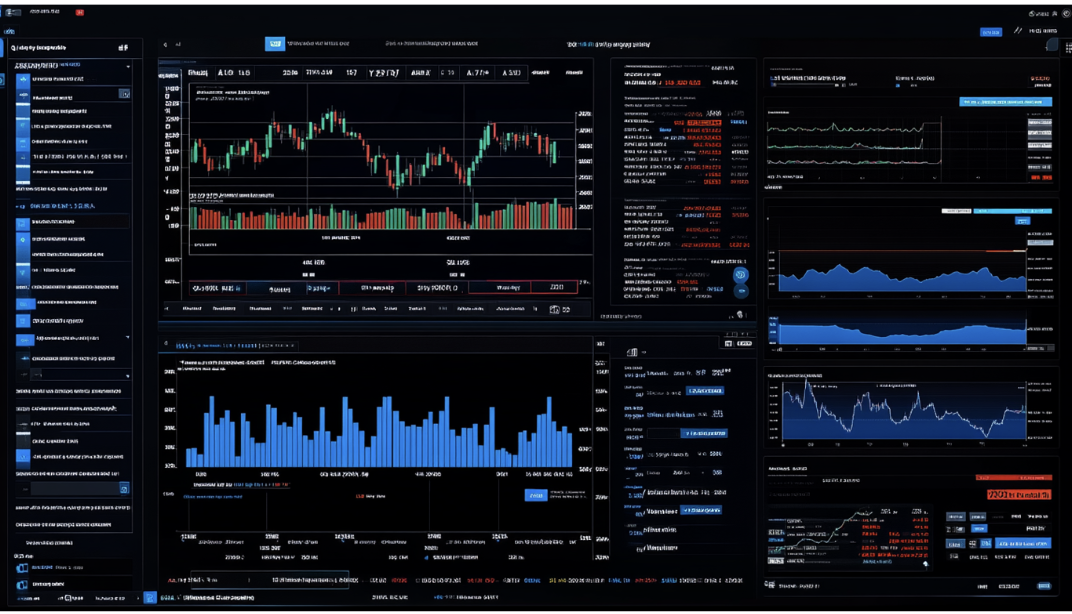
The user interface is web-responsive, ensuring accessibility across desktop, tablet, and mobile browsers. Data visualization panels present price charts, volume indicators, and performance logs in a streamlined format designed for analytical clarity.
Visit the Official Finance Pilot Website Now
How Finance Pilot Works?
Finance Pilot operates through an algorithm-driven workflow that integrates data ingestion, analytical modeling, and structured execution protocols. The operational flow begins with real-time market data acquisition from supported asset exchanges and liquidity providers.
The system’s AI engine processes multiple layers of input data, including:
- Historical price movement patterns
- Volatility index shifts
- Trading volume fluctuations
- Momentum indicators
- Macro trend signals
These inputs are analyzed using statistical probability models and machine-learning-based pattern recognition. Once predefined parameters align with algorithmic thresholds, the system generates a structured trade signal.
Users may configure the level of automation within their account dashboard. The platform allows for either fully automated trade execution or monitored signal-based execution depending on account settings.
Finance Pilot integrates a risk-control layer that applies stop-loss triggers, exposure limits, and allocation caps before trade placement. This ensures that transactions align with defined capital management rules.
Execution occurs via API-connected trading channels that route orders to relevant market environments. The platform monitors trade status in real time, updating performance dashboards accordingly.
The workflow can be summarized as:
- Data Collection
- Algorithmic Analysis
- Risk Parameter Validation
- Signal Generation
- Trade Execution
- Performance Logging
This structured sequence forms the technological backbone of Finance Pilot’s operational model.
Finance Pilot – Security Measures and Factual Performance Data
Finance Pilot incorporates multiple layers of digital security protocols aligned with modern fintech standards. The platform uses SSL encryption technology to secure data transmission between user devices and cloud servers. All account activity is encrypted using 256-bit encryption architecture.
User authentication includes two-factor verification (2FA) options, identity verification protocols during registration, and session timeout features for inactive accounts. Internal monitoring systems track unusual login behavior and account activity patterns.
The platform’s infrastructure operates on distributed cloud servers designed for uptime stability and data redundancy. Regular system audits and penetration testing procedures are conducted to evaluate cybersecurity resilience.
From a performance tracking perspective, Finance Pilot provides structured reporting dashboards displaying:
- Historical trade logs
- Win-loss ratio metrics
- Capital allocation records
- Realized and unrealized returns
- Trade duration statistics
The platform states that performance metrics are dynamically updated based on live trading data. Reporting transparency is embedded within the dashboard structure, allowing users to monitor execution accuracy and portfolio exposure levels.
Risk disclosure statements are integrated within the platform interface, emphasizing market volatility exposure and capital risk considerations.
Finance Pilot’s security and reporting architecture is built to provide encrypted operational safety while delivering structured, data-driven performance insights through its internal analytics framework.
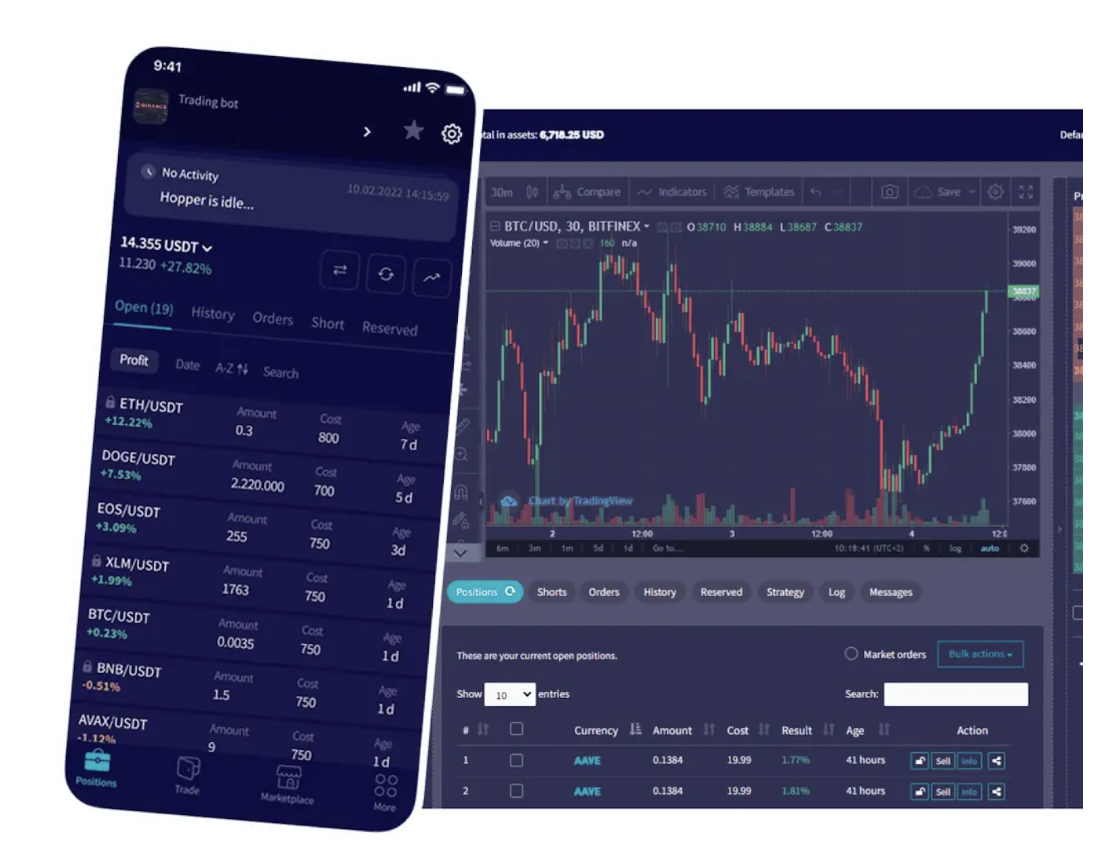
Register on the Finance Pilot AI trading application
How to Start with Finance Pilot – Step by Step
Finance Pilot follows a structured onboarding framework designed to provide streamlined account activation and secure platform access. The registration process is web-based and optimized for desktop and mobile environments.
Below is the step-by-step account setup structure:
Step 1: Online Registration
Users complete a digital registration form by entering their full name, email address, and contact details. The system initiates encrypted account creation protocols upon submission.
Step 2: Identity Verification
To comply with standard financial onboarding procedures, users may be required to complete a verification process. This can include email confirmation and identity documentation submission depending on jurisdictional requirements.
Step 3: Minimum Deposit Requirement
Finance Pilot specifies a $250 minimum deposit to activate live trading functionality. Deposits are processed through integrated payment gateways supporting commonly used funding methods.
Step 4: Account Configuration
Once funded, users can configure trading parameters within the dashboard. This includes setting risk thresholds, trade size allocations, stop-loss limits, and automation preferences.
Step 5: Strategy Selection & Activation
Users can enable automated trading execution or operate with monitored signal notifications. Parameters are confirmed before activation.
Step 6: Live Dashboard Monitoring
After activation, the system begins market scanning operations. Performance logs and capital allocation metrics are displayed in real time within the control panel.
The onboarding process is structured to ensure compliance alignment, capital configuration clarity, and secure account activation prior to algorithmic engagement.
Future of Investing Is Here – Visit the Official Finance Pilot Website Now
Benefits of Using Finance Pilot
Finance Pilot is structured around operational efficiency, automation logic, and integrated market accessibility. Its system architecture emphasizes technical consistency and structured trade management.
One primary operational benefit is centralized multi-asset monitoring. The platform consolidates asset tracking into a single dashboard, allowing users to oversee allocation distribution without external software.
The algorithmic modeling engine enhances structured market interpretation by filtering high-volume data streams through statistical probability frameworks. This reduces reliance on manual chart interpretation.
Additional operational advantages include:
- Real-time signal generation based on dynamic market scanning
- Risk parameter customization for exposure management
- Automated execution functionality aligned with predefined limits
- Structured performance reporting within the dashboard
- Cloud-based accessibility without software installation
The system also supports capital segmentation, allowing users to allocate defined percentages across supported markets. This enables portfolio structuring within a single interface.
Latency-optimized infrastructure supports timely order routing during volatility periods. Combined with automated stop-loss configuration, the platform embeds capital management parameters within execution protocols.
AI Finance Pilot’s structured analytics framework provides transparency through historical logs and exposure tracking, enabling measurable oversight of trade behavior and capital flow.
Overall, the benefits are rooted in technological design, operational automation, and integrated reporting tools within a secure digital infrastructure.
Why Choose Finance Pilot? United Kingdom Consumer Report Released Here
From Beginner to Pro: Guided Onboarding, 24/7 Support, and Intuitive Design
Finance Pilot incorporates an interface architecture built around structured navigation and guided configuration. The onboarding dashboard introduces users to parameter setup tools, performance panels, and risk management features through step-based prompts.
The interface uses modular design panels, separating market data visualization, allocation controls, and performance logs into organized sections. This layout reduces operational complexity and enhances workflow clarity.
Guided onboarding tools include:
- Dashboard walkthrough overlays
- Risk parameter explanation prompts
- Strategy activation confirmations
- Trade monitoring tutorials
The platform maintains a 24/7 support structure, accessible via integrated contact forms and digital communication channels. This ensures technical inquiries or account-related requests can be addressed continuously.
Navigation across device types remains consistent due to web-responsive design architecture. Whether accessed via desktop browser or mobile device, the system maintains functional integrity and dashboard structure.
Performance metrics are visually structured using simplified chart formats and allocation tables. This allows users to interpret portfolio exposure and trade outcomes without advanced technical charting expertise.
Finance Pilot’s user interface is built around structured clarity rather than layered complexity. The design emphasizes efficiency, defined controls, and visible performance indicators, enabling operational oversight across varying experience levels.
Visit the Official Finance Pilot Website Now
Finance Pilot – Cost, Minimum Deposit, and Profit
Finance Pilot operates under a structured funding model with a $250 minimum deposit requirement to activate trading functionality. This capital is allocated to the user’s trading balance and utilized according to configured strategy parameters.
The platform does not publicly list subscription-based software fees within its onboarding framework. Instead, operational costs may be integrated into spread structures or performance-based conditions depending on market routing mechanisms.
Profit outcomes are directly linked to:
- Market volatility conditions
- Configured risk exposure
- Asset allocation distribution
- Algorithmic signal performance
- Execution timing accuracy
The platform provides real-time reporting tools that display realized and unrealized profit metrics within the dashboard. These figures update dynamically based on market movement.
Users can monitor:
- Account equity
- Available balance
- Trade exposure
- Profit and loss ratios
- Historical return logs
Withdrawal procedures are structured within the account portal, subject to verification and processing timelines aligned with platform policies.
AI Finance Pilot does not present guaranteed return figures. All profit metrics are tied to live market conditions and algorithmic execution outcomes. Risk disclosure statements embedded within the platform emphasize capital exposure and volatility sensitivity.
The cost structure centers on deposit activation, structured capital deployment, and dynamic performance tracking through an integrated reporting interface.
Don’t Just Watch the Market — Trade It with Finance Pilot
Countries Where Finance Pilot Is Legal
Finance Pilot operates as a web-accessible digital trading interface and may be accessible in multiple jurisdictions depending on local financial regulations.
Availability is generally subject to:
- Regional trading compliance policies
- Financial service restrictions
- Cryptocurrency and derivatives regulations
- Cross-border brokerage limitations
The platform may be accessible in parts of Europe, North America, and select Asia-Pacific regions, provided users comply with local financial guidelines.
Restricted jurisdictions typically include regions where algorithmic trading interfaces or derivative products face regulatory limitations. Users are required to verify eligibility during account registration.
Finance Pilot incorporates jurisdiction-based verification procedures during onboarding. Access may be declined where legal frameworks restrict automated trading platforms.
Because regulatory frameworks evolve, platform accessibility remains subject to change in alignment with national financial authority guidelines.
Users are advised to confirm compliance obligations within their country prior to funding accounts.
Finance Pilot Supported Assets
Finance Pilot supports a diversified asset structure designed for multi-market access through a single interface. The platform’s dashboard integrates various asset categories, including:
Cryptocurrencies
Major digital currencies such as Bitcoin, Ethereum, and other high-liquidity tokens.
Forex Pairs
Major and minor currency pairs including EUR/USD, GBP/USD, and USD/JPY.
Commodities
Assets such as gold, silver, and crude oil derivatives.
Indices
Select global index instruments reflecting broader market performance.
Equities (CFD-based exposure where applicable)
Certain publicly traded company shares accessible through derivative structures.
The system enables asset-specific allocation configuration. Users can distribute capital percentages across asset types to create structured exposure frameworks.
Real-time pricing feeds are integrated for each supported category. Volatility indicators and momentum signals are applied uniformly across asset classes via the algorithmic engine.
Multi-asset integration allows centralized performance reporting while maintaining segmented tracking per asset category within the dashboard.
AI Is Changing Trading — Visit the Official Finance Pilot Website
Is Finance Pilot Right for You?
Finance Pilot is structured for individuals seeking automated market engagement through algorithmic modeling and risk parameter configuration. The platform provides access to multiple asset categories through an AI-assisted execution framework.
Suitability depends on:
- Comfort with automated trading systems
- Understanding of capital risk exposure
- Willingness to configure risk thresholds
- Ability to monitor performance metrics
The system requires a minimum deposit commitment and involves exposure to market volatility. It is not structured as a passive savings account but as an active trading interface.
Individuals seeking structured automation tools and integrated reporting dashboards may find the platform aligned with operational preferences.
Hidden Risks of Finance Pilot — What Every Investor Should Know
Like all market-based trading systems, Finance Pilot operates within volatile financial environments. Asset price fluctuations can occur rapidly due to macroeconomic events, geopolitical developments, or liquidity shifts.
Key risk considerations include:
- Market volatility exposure
- Algorithmic signal inaccuracies
- Execution slippage during high volatility
- Capital loss potential
- Regulatory changes affecting asset access
Automated systems operate based on probability modeling rather than certainty. Past performance logs do not guarantee future outcomes.
Users are responsible for configuring risk management settings appropriately. Overexposure to single asset categories may increase volatility impact.
The platform includes risk disclosure statements acknowledging the speculative nature of leveraged and derivative-based instruments.
Capital committed to trading should be risk-appropriate and aligned with financial tolerance levels.
Why Choose Finance Pilot? United Kingdom Consumer Report Released Here
Pros and Cons of Finance Pilot
Pros
- AI-driven market scanning engine
- Multi-asset dashboard integration
- Customizable risk parameters
- Automated trade execution options
- Real-time performance tracking
Cons
- Market volatility exposure
- No guaranteed returns
- Regulatory restrictions in certain regions
- Minimum deposit requirement
Final Thoughts on the Finance Pilot Platform
Finance Pilot operates as a technology-driven trading interface structured around AI modeling, automated execution, and integrated performance analytics. Its operational framework combines real-time market scanning, customizable risk parameters, and cloud-based accessibility.
The platform emphasizes structured reporting, encryption-based security, and compliance-aligned onboarding procedures. With multi-asset integration and centralized dashboard monitoring, Finance Pilot provides an environment designed for algorithm-assisted trading engagement.
As with all market-based systems, capital exposure remains subject to volatility and financial risk. The platform’s infrastructure centers on technological efficiency, automation precision, and structured portfolio oversight within a secure digital framework.
Visit the Official Finance Pilot Website Now
Contact:-
Finance Pilot
485 Bd de la Gappe, Gatineau, QC J8T 5T9, Canada
Phone Support: Canada: +1 (437) 920-9751
Email: admin@fesnojiv.org
 Website: https://financepilot-engine.com/
General Disclaimer:
The content provided in this article is for informational and educational purposes only. It does not constitute financial, legal, or professional advice. Readers are advised to consult a certified financial advisor, licensed loan officer, or legal professional before making any financial decisions. The information presented may not apply to every individual circumstance and is not intended to substitute professional judgment or regulatory guidance. The information provided on this website does not constitute investment advice, financial advice, trading advice, or any other sort of advice and you should not treat any of the website's content as such. We does not recommend that any cryptocurrency should be bought, sold, or held by you. Do conduct your own due diligence and consult your financial advisor before making any investment decisions.
Trading Disclaimer:
Trading cryptocurrencies carries a high level of risk, and may not be suitable for all investors. Before deciding to trade cryptocurrency you should carefully consider your investment objectives, level of experience, and risk appetite. The possibility exists that you could sustain a loss of some or all of your initial investment and therefore you should not invest money that you cannot afford to lose. You should be aware of all the risks associated with cryptocurrency trading, and seek advice from an independent financial advisor. ICO's, IEO's, STO's and any other form of offering will not guarantee a return on your investment.
HIGH RISK WARNING: Dealing or Trading FX, CFDs and Cryptocurrencies is highly speculative, carries a level of non-negligible risk and may not be suitable for all investors. You may lose some or all of your invested capital, therefore you should not speculate with capital that you cannot afford to lose. Please refer to the risk disclosure below. Finance Pilot does not gain or lose profits based on your activity and operates as a services company. Finance Pilot is not a financial services firm and is not eligible of providing financial advice. Therefore, Finance Pilot shall not be liable for any losses occurred via or in relation to this informational website.
SITE RISK DISCLOSURE: Finance Pilot does not accept any liability for loss or damage as a result of reliance on the information contained within this website; this includes education material, price quotes and charts, and analysis. Please be aware of and seek professional advice for the risks associated with trading the financial markets; never invest more money than you can risk losing. The risks involved in FX, CFDs and Cryptocurrencies may not be suitable for all investors. Finance Pilot doesn''t retain responsibility for any trading losses you might face as a result of using or inferring from the data hosted on this site.
Attachment

Contact:- Finance Pilot 485 Bd de la Gappe, Gatineau, QC J8T 5T9, Canada Phone Support: Canada: +1 (437) 920-9751 Email: admin@fesnojiv.org Website: https://financepilot-engine.com/

